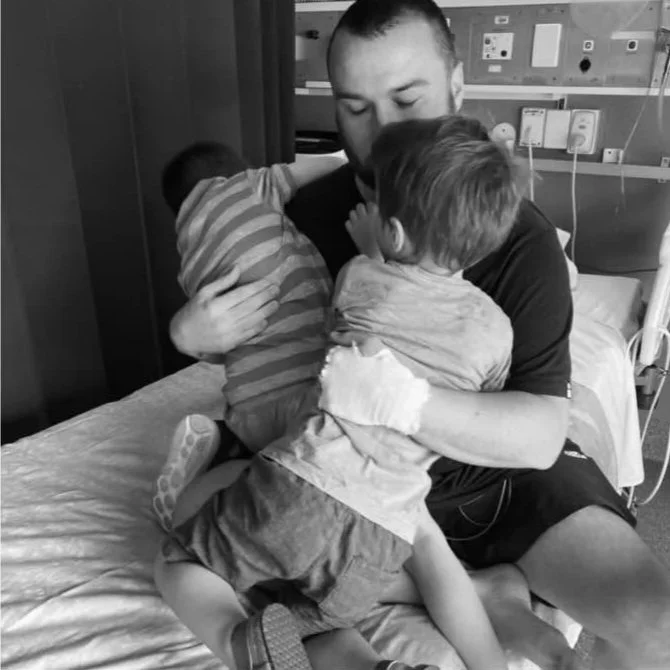
Living Between Heartbeats
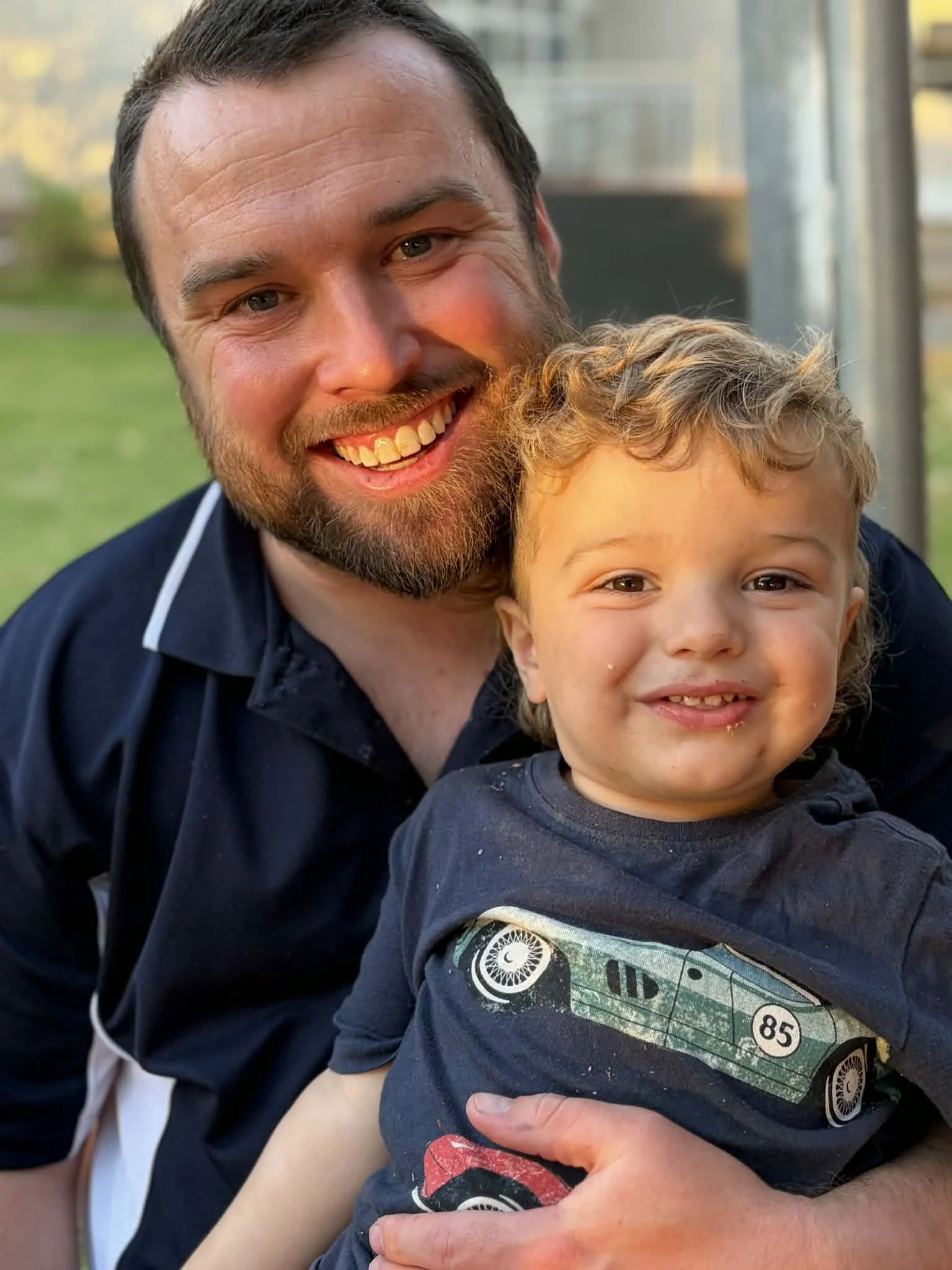
For Jo and Pat, every emergency begins with the same impossible question.
"Can you find a pulse?"
It's the question Jo dreads every time she calls Triple Zero.
Despite being first aid trained and living alongside her husband Pat's inherited heart condition, she still finds herself hesitating.
"I find it very stressful in a situation like that to find a pulse," she says.
"You can be first aid trained and everything like that, but when you're put into the actual situation... it can be really overwhelming."
For most people, it's a question they'll hopefully never have to answer.
For Jo, it's become part of life.
Pat lives with an inherited heart condition caused by a mutation in the Desmin (DES) gene. It's a condition that has led to multiple cardiac arrests within his family.
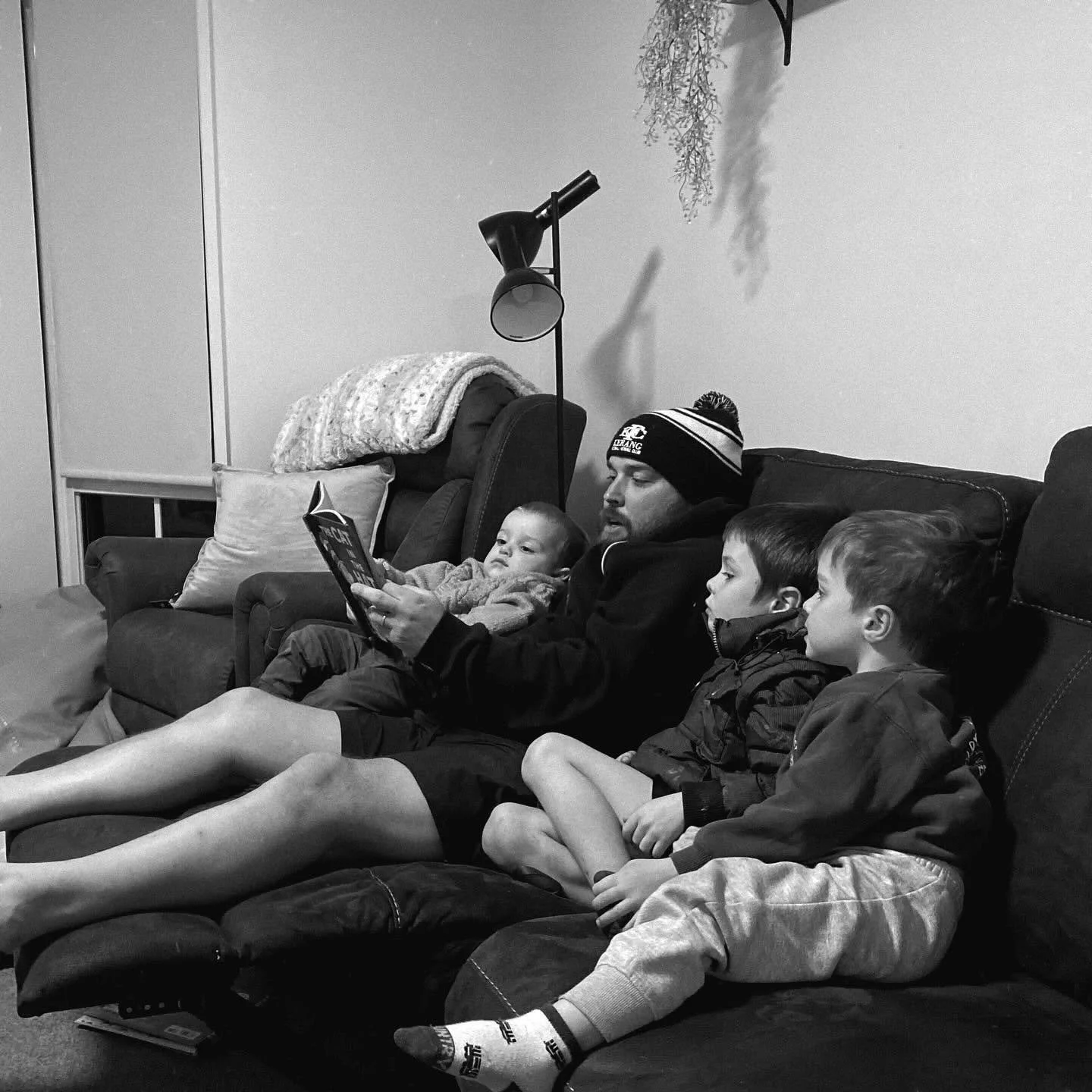
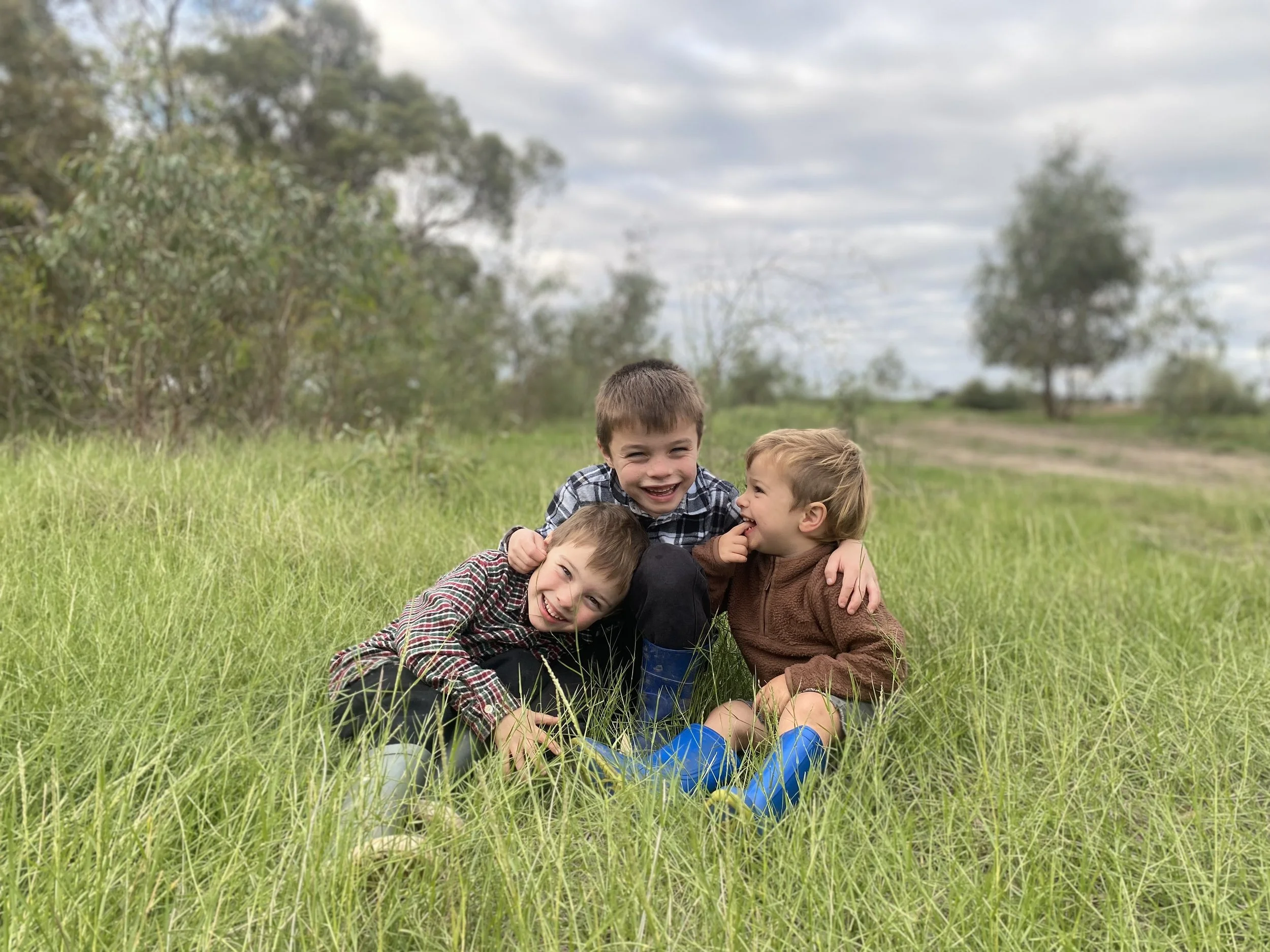
Today, he and Jo are raising three young boys while balancing family life, with Pat working full-time and Jo working casually in teaching.
From the outside, life looks wonderfully ordinary.
But ordinary is something the couple have learned never to take for granted.
As Pat says with a smile,
"Life might feel ordinary right now and I'm not meant to brag too much because it can change any minute."
Humour has become one of the ways they navigate a life filled with uncertainty.
When Pat was first diagnosed at 22, doctors monitored his condition closely. They weren't yet able to justify implanting a cardioverter defibrillator (ICD), a device designed to detect dangerous heart rhythms and deliver a life-saving shock when needed.
Three years later, everything changed.
It was meant to be an ordinary Saturday afternoon.
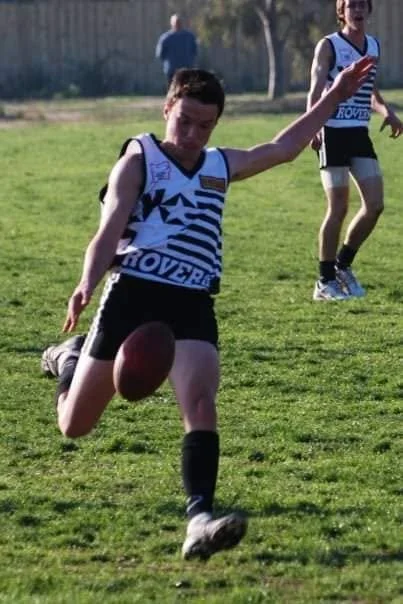
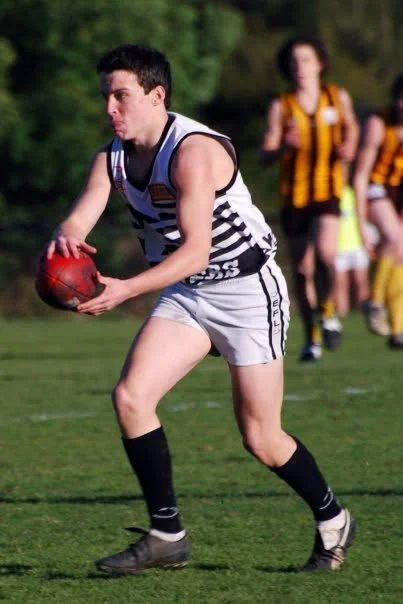
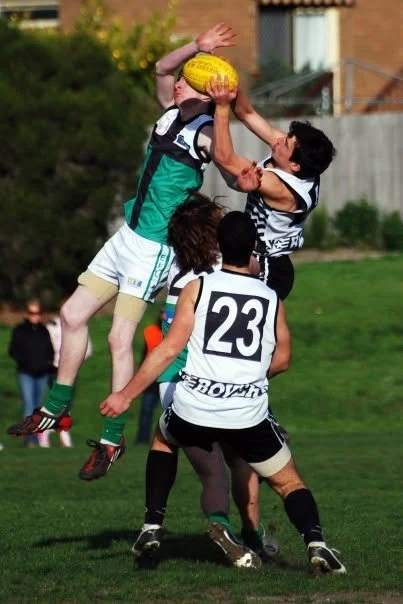
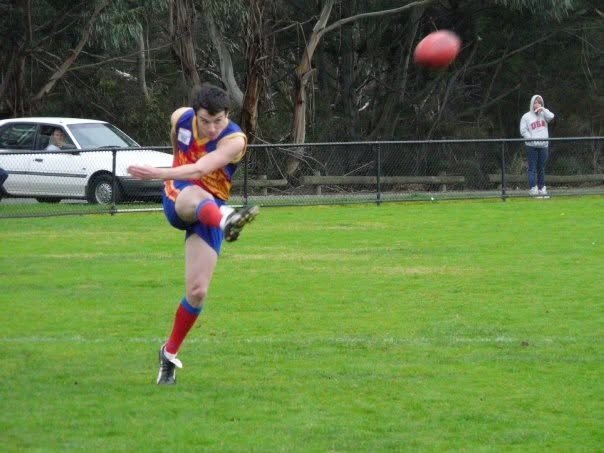
Pat was making his debut for a new football club.
He remembers feeling a little off.
Nothing dramatic.
Just... different.
On the drive to the game, he joked that he might end up in hospital later that day.
Ten minutes after the opening bounce, he collapsed.
Volunteers rushed onto the field and immediately began CPR while someone rushed to retrieve an automated external defibrillator (AED).
For almost ten minutes, they fought to save his life.
When Pat finally regained consciousness, he tried to get up. Doctors asked what he was doing and his first words surprised everyone around him.
"I've got to finish the game."
When someone explained he had suffered a cardiac arrest, he simply replied,
"Oh... fair enough. I'll lay down then."
Even now, he laughs telling the story.
It's one of many moments where humour has helped carry the family through circumstances that would overwhelm most people.
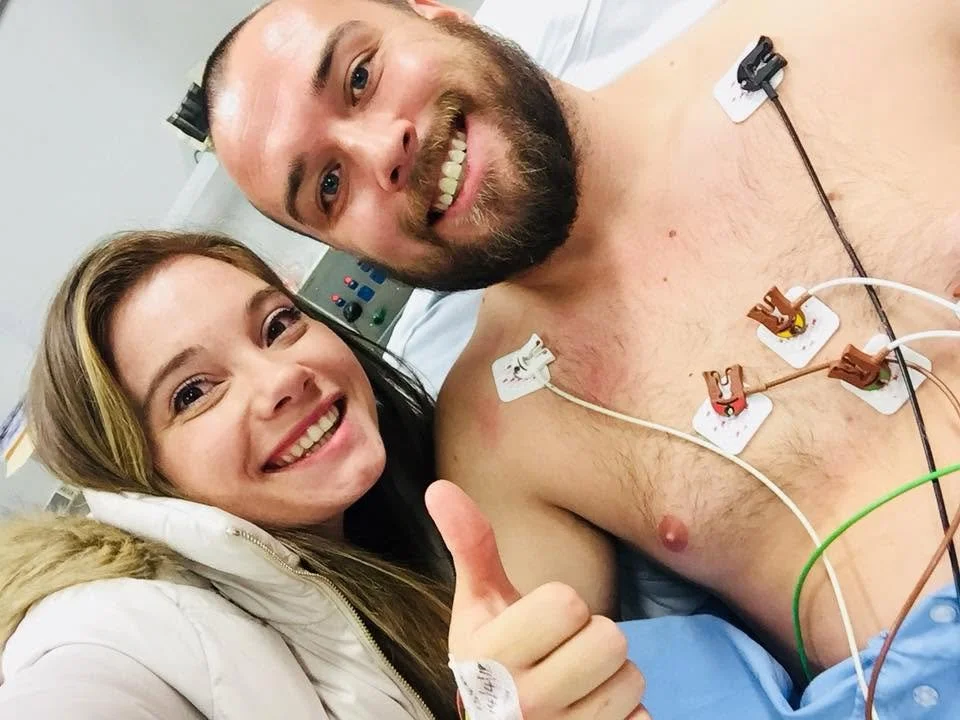
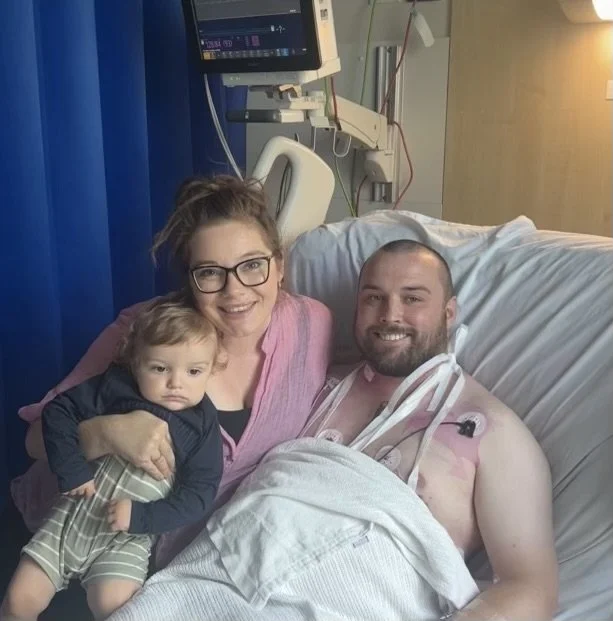
Following that cardiac arrest, Pat received an ICD.
The small device implanted in his chest has helped protect his life multiple times.
It has delivered life-saving shocks while surfing.
On Christmas Day surrounded by family.
While playing golf.
Walking around the house.
Putting wood on the fire.
And in the bathroom.
Each episode is different.
Each one is unexpected.
Each one reminding the family that a cardiac event doesn't always look the way you expect it to.
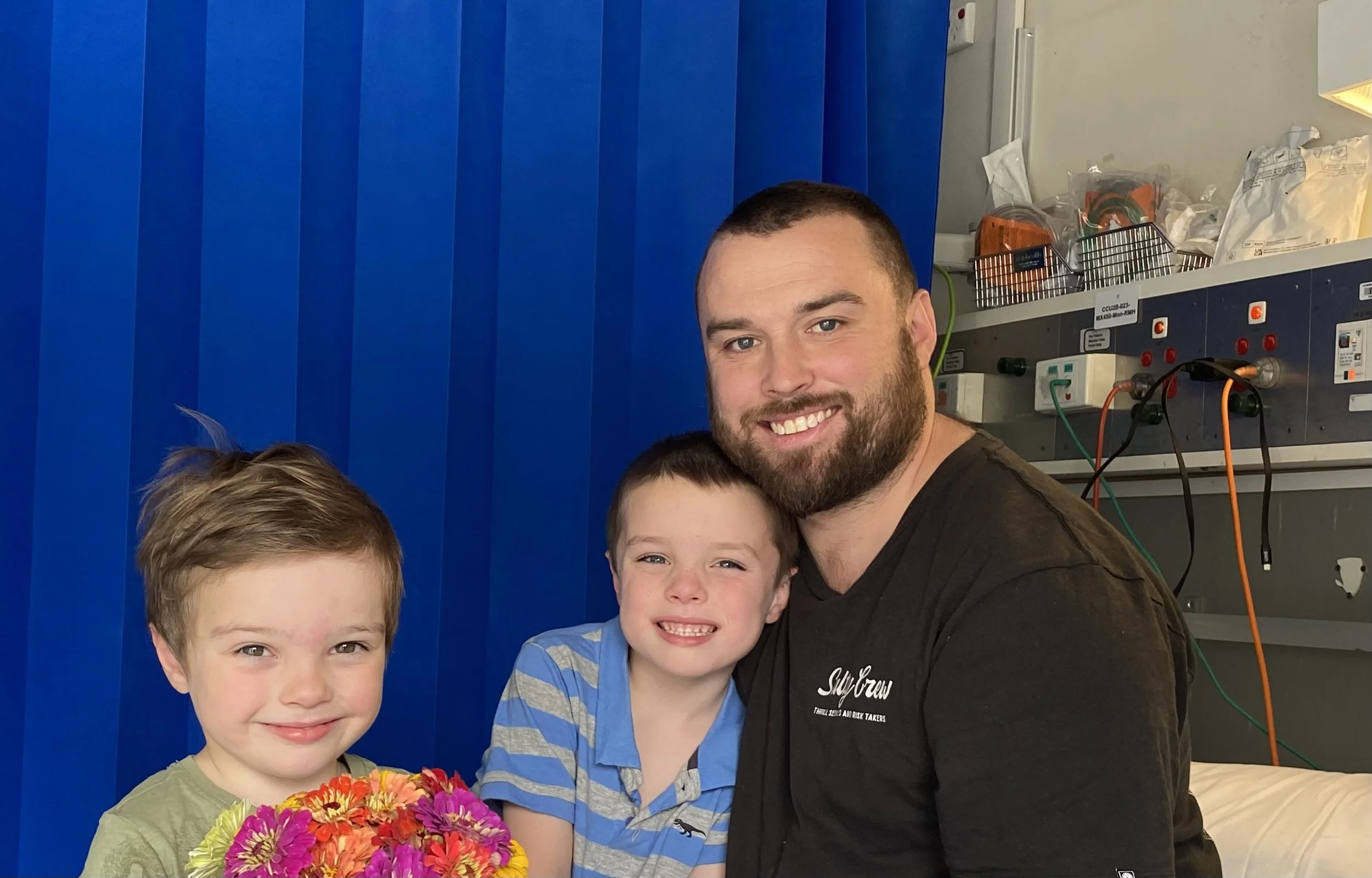
Each episode is different.
Each one reminds the family that life can change in seconds.
For Jo, these episodes often begin the same way.
Another emergency call.
Another assessment.
Another moment where that one persistent question resurfaces
"Can you find a pulse?"
It's a simple question.
But Jo says there is nothing simple about answering it.
Sometimes Pat remains conscious despite experiencing dangerous heart rhythms because his ICD has intervened.
Trying to convey that to an emergency call-taker while simultaneously assessing his condition can be incredibly difficult.
"They're expecting Pat not to be conscious," she explains.
" "I'm trying to convey that his device has gone off, he's been shocked, but he's actually awake."
It's in those moments that uncertainty becomes another obstacle.
Not because people don't know what to do.
But because doing it under pressure is entirely different.
When Elleesha King shared the vision behind Pulse Tile™, Jo immediately recognised the problem it was trying to solve.
Not because she'd read about it.
Because she'd lived it.
"For someone like me that finds it very confronting... when you're already in a challenging situation with a loved one... you really want to get it right because it's a matter of life and death."
As teachers, Jo and Pat also understand that cardiac emergencies don't only happen at home.
They can happen in classrooms.
On sporting fields.
At school camps.
In the wider community.
Despite his own experience with cardiac arrest, Pat understands firsthand how challenging manual pulse checks can be.
While teaching a PE class, Pat was demonstrating how to check heart rate after physical activity with his students.
"I was trying to count a pulse in class, and someone started bouncing a basketball. I had to tell them to stop so I could concentrate."
This everyday classroom moment highlighted a challenge familiar to many healthcare professionals and first responders: accurately assessing a pulse requires focus and the right conditions, yet cardiac emergencies rarely happen in controlled environments.
For Jo, that's exactly where she believes Pulse Tile™ could make a difference.
"I'd love to have one in our home first aid kit."
Knowing there was a simple way to help assess whether a pulse was present would give her greater confidence during some of life's most stressful moments.
As teachers, she believes it could also become an invaluable addition to school first aid kits.
Schools are responsible for the wellbeing of hundreds of students and staff every day, and while cardiac emergencies are rare, they do happen.
Having a tool that could help reduce uncertainty during those first critical moments would provide greater confidence while waiting for emergency services to arrive.
For Jo, it's not about replacing first aid training.
It's about helping ordinary people feel more confident during extraordinary moments.